news-03

Medical Trainees Enhance Emergency Response Skills at OSCE Face2Face Session

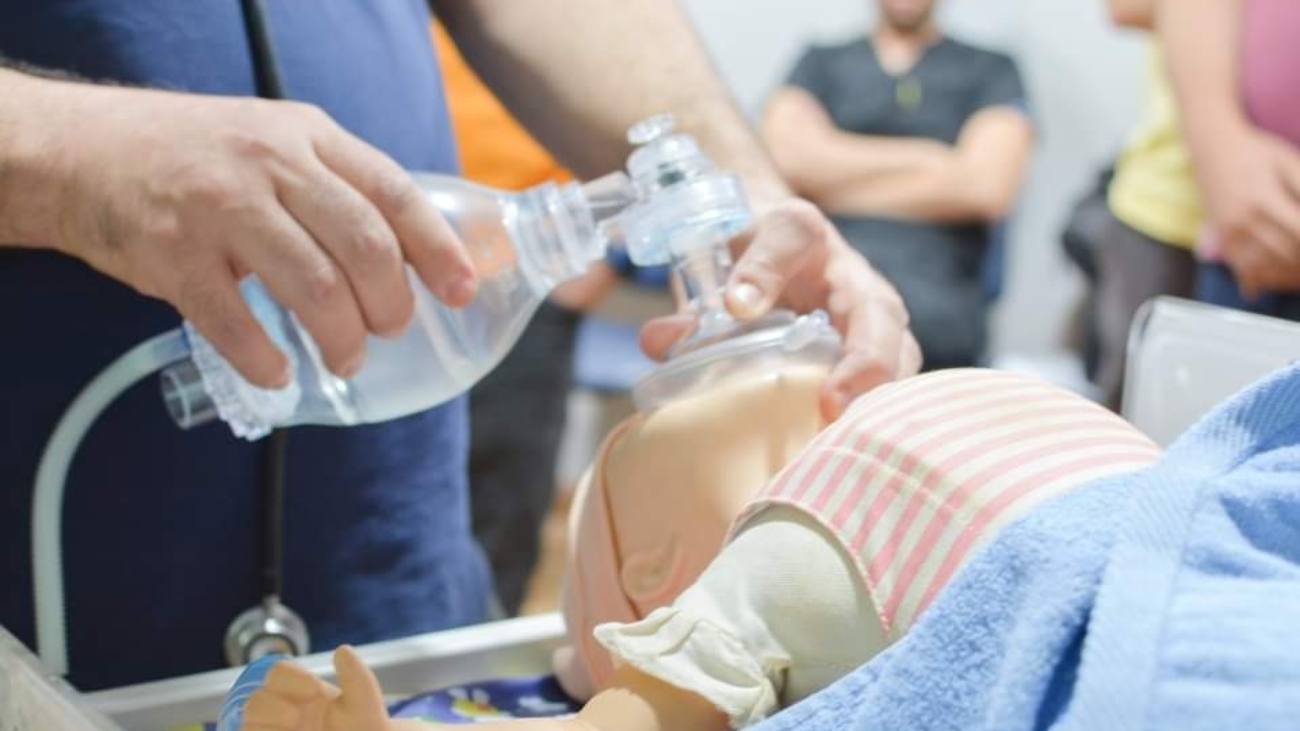
A hands-on OSCE Face2Face session held in Cairo brought together medical trainees and professionals for an intensive practical training focused on emergency care and pediatric resuscitation. The event, conducted under the MRCE Courses initiative, aimed to strengthen real-world readiness by offering participants direct exposure to critical procedures and life-saving techniques.

Throughout the session, participants engaged in realistic simulations, learning how to manage emergency situations with precision and confidence. Under the guidance of expert instructors, attendees practiced essential interventions such as airway management, CPR, and pediatric ventilation—skills vital to improving patient outcomes in high-pressure medical scenarios.

The workshop emphasized the importance of experiential learning in medical education, bridging the gap between theoretical knowledge and clinical practice. By providing a supportive and professional environment, the OSCE Face2Face program continues to empower healthcare professionals with the confidence and competence needed to deliver effective emergency care in real-life situations.
news-02

Empowering the Next Generation of Clinicians Through Realistic Medical Simulations

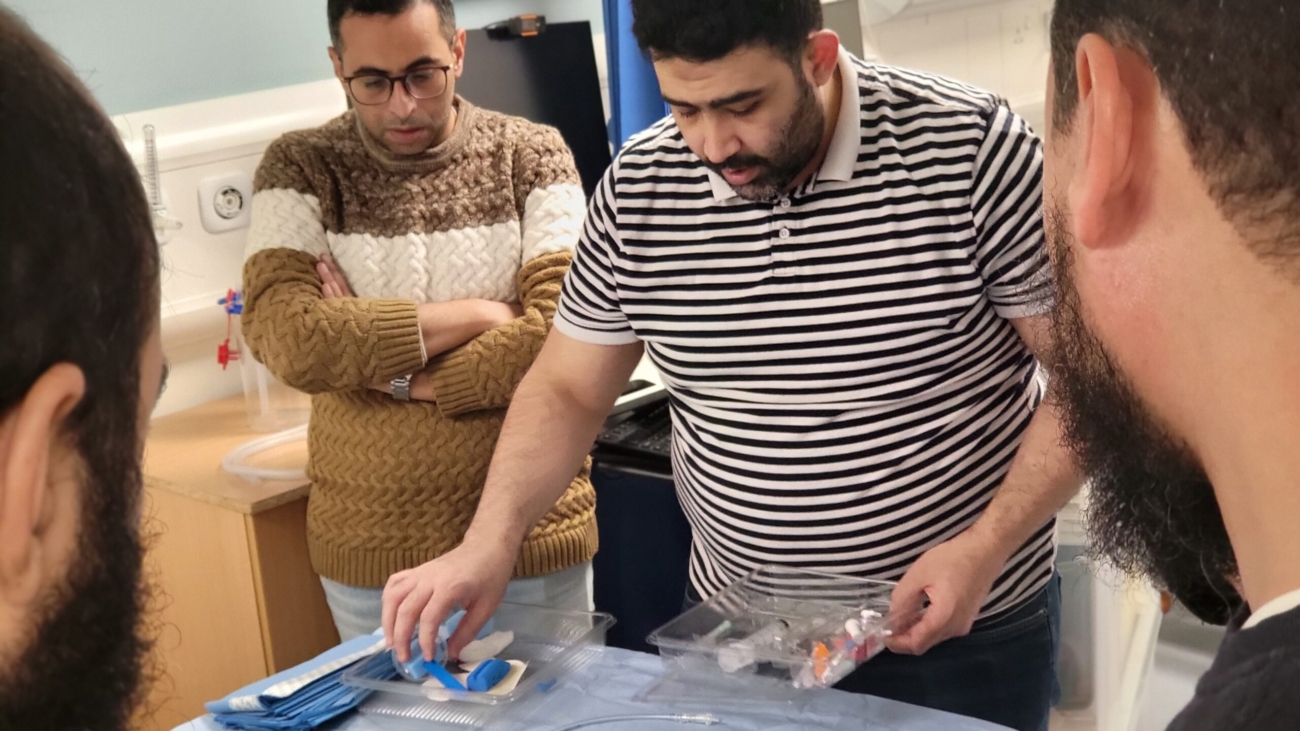
Medical learners gathered for an immersive OSCE Face2Face session that brought emergency medicine training to life through high-fidelity simulations. The hands-on workshop emphasized skill development in pediatric emergency response, allowing participants to experience real-world clinical challenges in a controlled and supportive setting.

Led by seasoned medical educators, the training combined live demonstrations, guided practice, and performance feedback to help participants strengthen both technical and decision-making abilities. From airway management to patient assessment, every session was designed to foster competence, confidence, and precision in emergency care delivery.

Participants praised the initiative for bridging the gap between classroom learning and hospital realities. The program continues to inspire future clinicians by offering practical exposure that not only sharpens clinical judgement but also instils empathy and readiness to respond when every second counts.

news-01

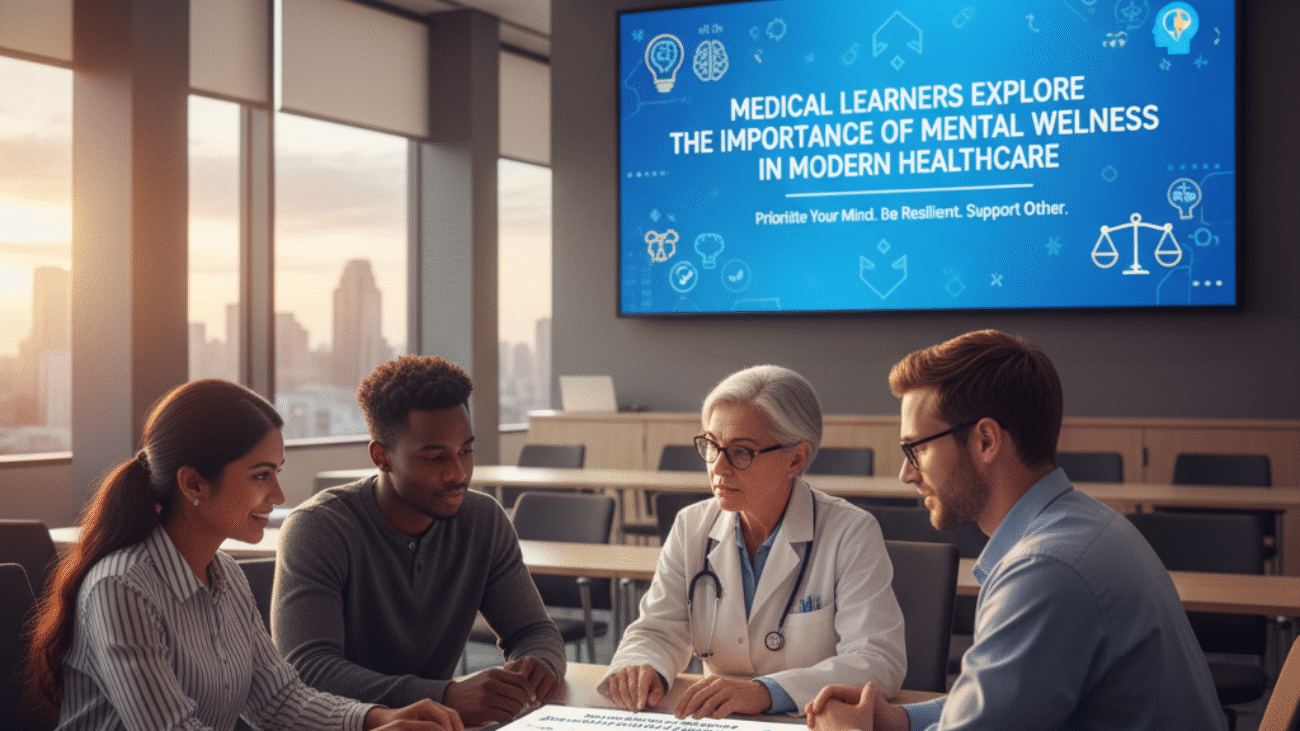
Medical Learners Explore the Importance of Mental Wellness in Modern Healthcare

A special awareness session on Mental Wellness in Healthcare was recently held as part of the MRCE Courses initiative, emphasizing the critical role of emotional balance and psychological resilience among medical professionals. The session aimed to encourage open dialogue about stress management, work-life balance, and self-care within the demanding medical field.

During the interactive workshop, participants engaged in guided discussions and mindfulness exercises led by certified mental health experts. The program explored practical strategies to prevent burnout, manage anxiety, and enhance focus — all essential components for maintaining professional performance and compassionate patient care.

Organisers highlighted that supporting mental wellness is not just an individual responsibility but a collective effort within the healthcare community. By integrating wellness education into medical training, institutions can create a healthier, more empathetic generation of doctors and healthcare providers ready to care for both their patients and themselves.

news-04

Healthcare Professionals Unite to Prioritise Mental Wellness in the Workplace

A recent healthcare awareness event brought together medical practitioners, educators, and trainees to address one of the most pressing challenges in modern medicine — mental wellness. The session emphasized the growing need for emotional resilience, mindfulness, and stress management strategies within healthcare environments.

Experts highlighted that while healthcare professionals are trained to save lives, many often overlook their own mental well-being. The interactive discussions explored common stressors faced by doctors, nurses, and students, offering practical approaches to maintaining balance through peer support, structured rest, and open communication.

Organisers underscored that mental wellness is not only vital for personal health but also directly impacts patient safety and care quality. By promoting a culture of empathy and mental health awareness, the healthcare community takes a crucial step toward building stronger, more compassionate medical institutions for both caregivers and patients alike.